
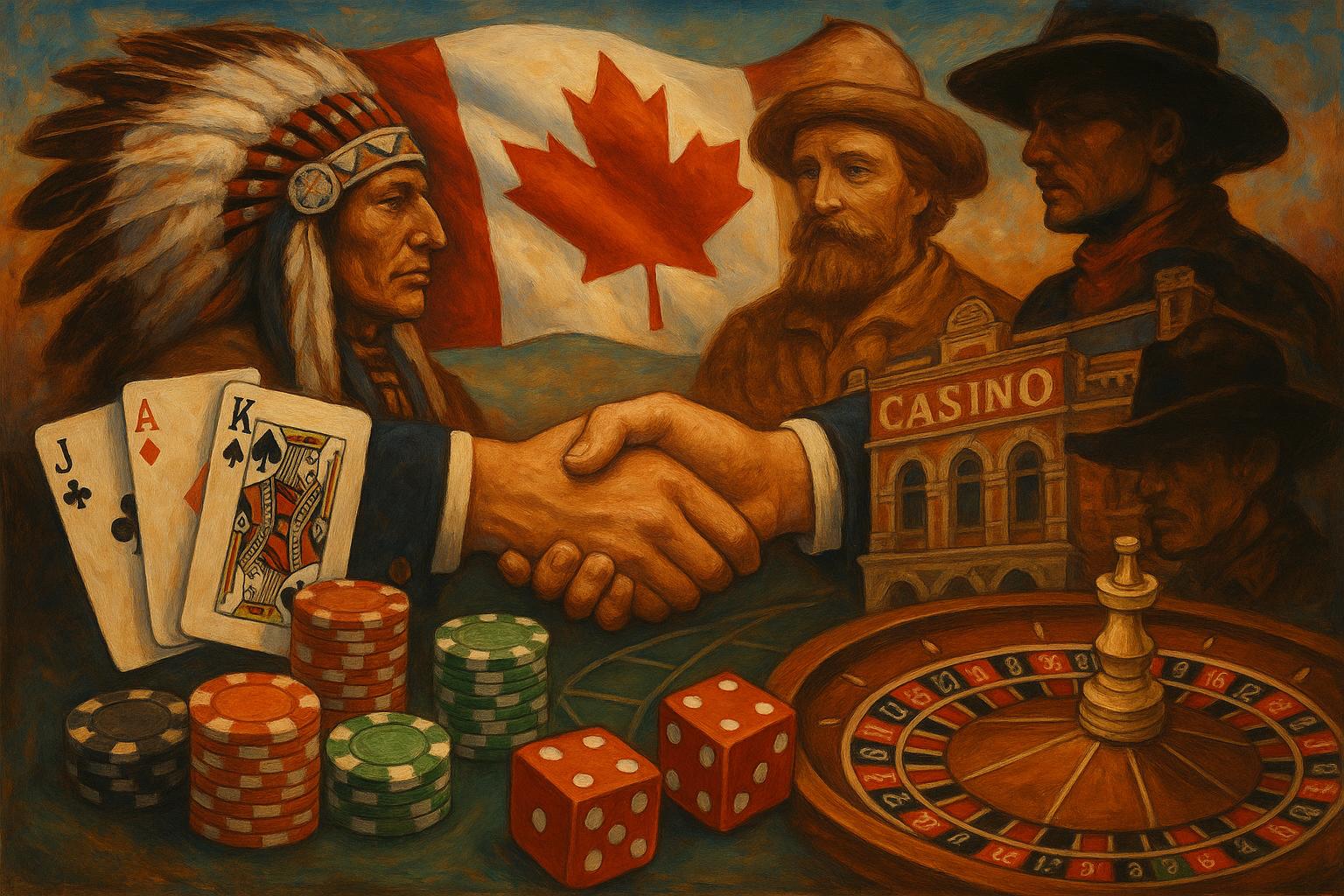
The Early History of Gambling in Canada
The history of gambling in Canada is both rich and intricate, with roots that can be traced back to the practices of Indigenous communities. These early games were not merely forms of entertainment; they were deeply embedded in cultural rituals and played a significant role in social gatherings within these communities. Such activities often carried a deeper meaning, serving as vehicles for expressing spiritual beliefs or for the redistribution of resources and wealth.
As European settlers began to arrive in the 17th century, the games played and their significance began to shift. This infusion of European customs and perspectives initiated an evolution in gambling practices across the region.
The Influence of European Settlers
The European settlers brought with them a diverse set of games and gambling activities, including card games and betting on various sporting events. These newcomers significantly transformed the landscape of gambling in Canada. What previously may have been seen through the lens of cultural tradition and spiritual significance began to adapt to include the European penchant for gambling as leisurely and competitive activities.
Rapidly, these activities gained popularity, weaving themselves into the social and economic fabric of Canadian life. Card games like poker and blackjack, alongside betting on horse racing, became commonplace, especially in social settings like taverns and private homes. The influence of gambling extended beyond entertainment, becoming a significant aspect of the developing colonial economy.
Consequently, as the popularity of gambling increased, it became apparent that some regulatory oversight was necessary. This development led to the establishment of laws, which sought to manage and, at times, to curtail these newfound activities. Despite various legal restrictions, gambling tenaciously remained a favored pastime, reflective of both its deep-rooted heritage and newfound forms.
The Development of Legal Frameworks
As Canada moved into the 19th century, there was an increased need to formalize gambling laws. This need culminated in the enactment of the Criminal Code of Canada in 1892, which took a relatively hard stance by prohibiting most forms of gambling, with certain sacred exceptions. These exceptions included activities that could have a societal benefit, such as games utilized in fairs or games of mixed-skill that allowed for some form of fundraising.
This strict legal outlook, however, was not to remain unchanged. Over the ensuing decades, the Canadian government gradually introduced amendments, reflecting a shift toward more lenient regulations. One of the primary motivations for these changes was the acknowledgment and acceptance of gambling as a tool to raise funds for both charitable causes and for replenishing local government coffers.
Beginning in the 1960s and more rapidly into the 1970s, provincial governments began asserting greater control over gambling activities. This movement led to the creation of government-operated lotteries and casinos, laying the groundwork for a more regulated and economically beneficial gambling environment. These developments marked the transformation of gambling into a legitimate and legally sanctioned economic sector.
Gambling’s Role in Modern Canadian Culture
Today, gambling occupies an important role in both the cultural and economic landscapes of Canada. Provincial governments have taken the reins and are directly responsible for the oversight and regulation of gambling activities. The revenue accrued from these activities is typically allocated to public services, significantly benefiting areas such as healthcare and education. Such an arrangement illustrates a pragmatic view in Canadian culture, where gambling is seen not only as a recreational pursuit but as a valuable source of funding for essential communal services.
The perception of gambling in Canada today is markedly pragmatic; it is not merely a form of entertainment but also a functional mechanism that fuels economic growth and provides public funding. Furthermore, there is an understanding within the Canadian cultural milieu about the necessity of balancing enjoyment with responsibility to ensure the continued benefits of gambling without incurring social costs.
Online Gambling and Future Prospects
The introduction of the internet has pushed gambling in Canada into a new era, characterized by increased accessibility and innovation. With the proliferation of online gambling platforms, Canadians now enjoy unparalleled access to numerous gambling activities, all from the comfort of their own homes. This phenomenon has opened up new opportunities and markets within the gambling industry, driving economic participation and growth.
As online platforms continue to gain popularity and technology advances, there is an anticipation that Canada’s legal framework will need to adapt. This adaptive process is vital to adequately respond to the multifaceted needs of both consumers and the industry, ensuring continued oversight and protection.
The future of gambling in Canada will likely see further technological integration and increased emphasis on creating a balanced legal framework that supports innovation while safeguarding consumer interests. For additional insights into the current Canadian gambling laws and any recent developments, you might find it useful to consult comprehensive resources such as the Canadian Gaming Association’s website, accessible via this link.
In summary, the evolution of gambling in Canada from its Indigenous origins through to the intricacies of modern-day practices highlights its role as a complex socio-economic institution. Gambling in Canada mirrors the country’s diverse cultural heritage and adaptive economic strategies, presenting a landscape where cultural depth meets economic utility.
This article was last updated on: February 22, 2026