
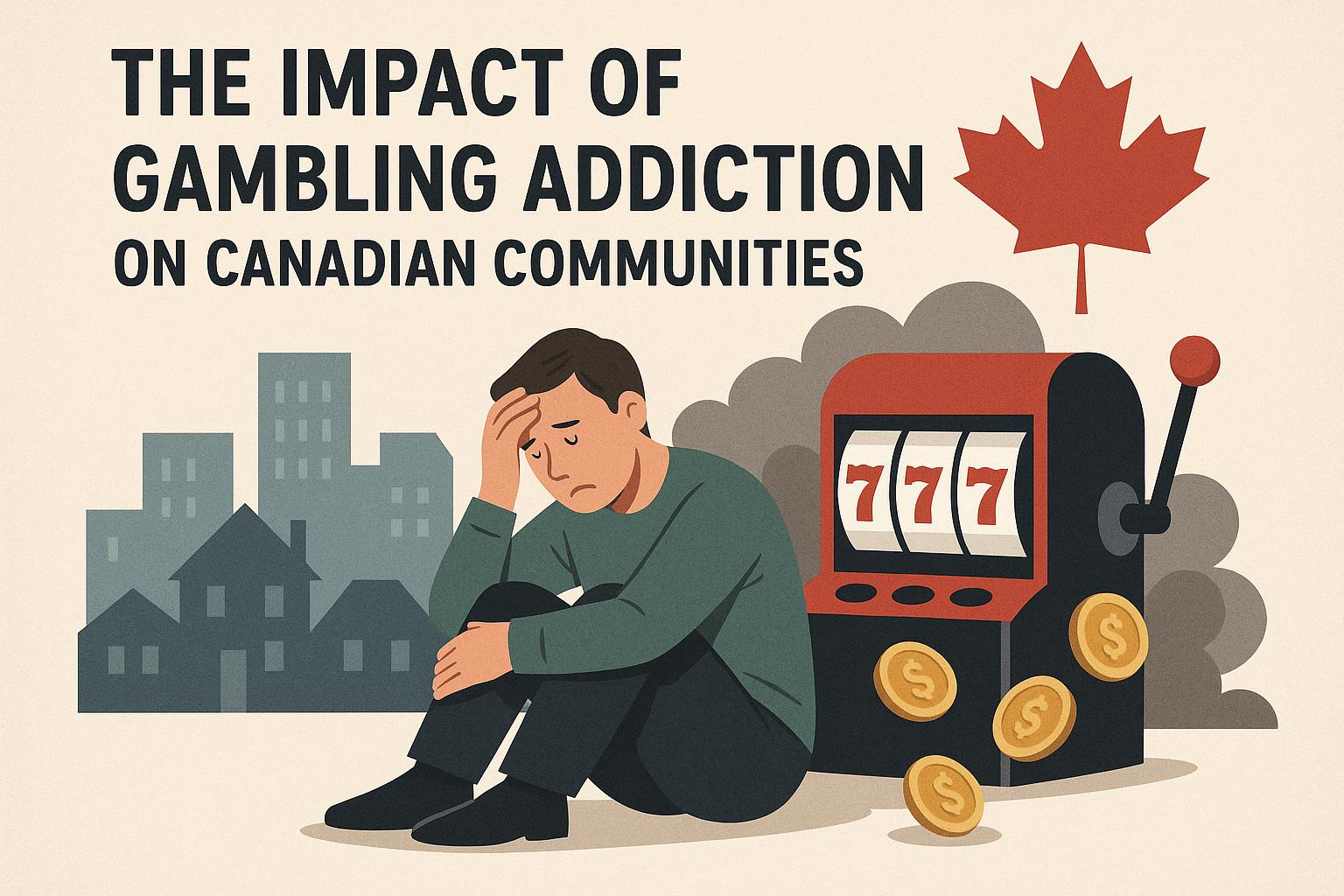
The Prevalence of Gambling Addiction in Canada
Gambling is a popular activity in Canada, offering a multitude of options ranging from traditional forms such as casino games, lottery, and sports betting, to more modern platforms like online gambling sites. While gambling can be a form of entertainment for many Canadians, a significant number develop problematic behaviors that can lead to compulsive gambling, commonly known as gambling addiction. Reports suggest that around 2-3% of Canadians can be classified as problem gamblers. This segment not only grapples with personal challenges but also affects their families and the broader community.
Economic Impact
The economic repercussions of gambling addiction can be quite substantial, impacting both individuals and communities. On a personal level, problem gamblers may find it challenging to maintain steady employment due to the time and resources consumed by their gambling habits. This instability often translates into job loss or severely dated career progression, which directly impacts income levels. As financial stability wanes, there is often an increased dependency on social services, placing additional stress on community resources designed to support those in need.
One often overlooked consequence of gambling addiction is the increase in personal debt that gamblers may incur as they attempt to finance their habit. This indebtedness can have a ripple effect on the local economy, reducing disposable income and potentially affecting businesses and service providers. Additionally, addressing problem gambling through treatment and intervention programs necessitates considerable public funding. Provinces like Ontario and British Columbia recognize the importance of such interventions and have allocated resources for support services and treatment initiatives. For more in-depth information about these provincial efforts, interested individuals can visit the Problem Gambling Helpline.
Social Impact
Beyond financial implications, gambling addiction also has significant social consequences. Individuals who struggle with addiction often place gambling above familial and social duties, leading to strained relationships. This shift in priorities can manifest in numerous ways, such as increased social isolation, ongoing conflicts with partners or other family members, and unfortunately, in some cases, lead to domestic violence.
Communities are not immune to the social costs of gambling addiction, witnessing potential rises in crime associated with gambling behavior. Behaviors such as theft and fraud become more common as addicted individuals seek methods to fund their gambling. This uptick in crime not only affects direct victims but also places an additional burden on local law enforcement agencies tasked with maintaining community safety.
Mental Health Considerations
The intersection of gambling addiction and mental health is a complex and critical area of concern. Many individuals who experience problem gambling also suffer from comorbid mental health disorders, such as depression or anxiety. The emotional and psychological stress associated with gambling can exacerbate these conditions, forging a cycle that is challenging to disrupt.
Having access to adequate mental health services is a vital component in supporting those affected by gambling addiction. Organizations such as the Canadian Mental Health Association offer essential support and resources for individuals dealing with dual challenges of gambling and mental health issues. Additional resources and information are available on their website.
Prevention and Education
Preventing gambling addiction and reducing its prevalence in Canadian society involves a dual approach of prevention and education. Public awareness campaigns are key components of this strategy, serving to educate the general population about the inherent risks associated with gambling and encouraging responsible practices. Educational institutions and community organizations take on integral roles in informing and equipping young individuals with the knowledge about the dangers and potential hazards of gambling behavior.
Furthermore, regulatory actions assist in mitigating the risk of developing gambling problems. These include implementing limits on gambling-related advertisements, enforcing regulatory measures for gambling activities, and offering self-exclusion programs where individuals can voluntarily restrict their gambling participation. These measures are essential steps in reducing the widespread nature of gambling addiction and safeguarding communities.
In conclusion, while gambling remains a widely enjoyed leisure activity throughout Canada, the repercussions of gambling addiction present extensive challenges that affect both individuals and the larger community. Effectively addressing these issues necessitates a multifaceted approach that takes into account economic, social, and mental health factors, as well as emphasizes the importance of prevention and education. A collaborative effort across various sectors and stakeholders is crucial in shaping a comprehensive response to the complex issue of gambling addiction in Canada.
This article was last updated on: November 19, 2025