
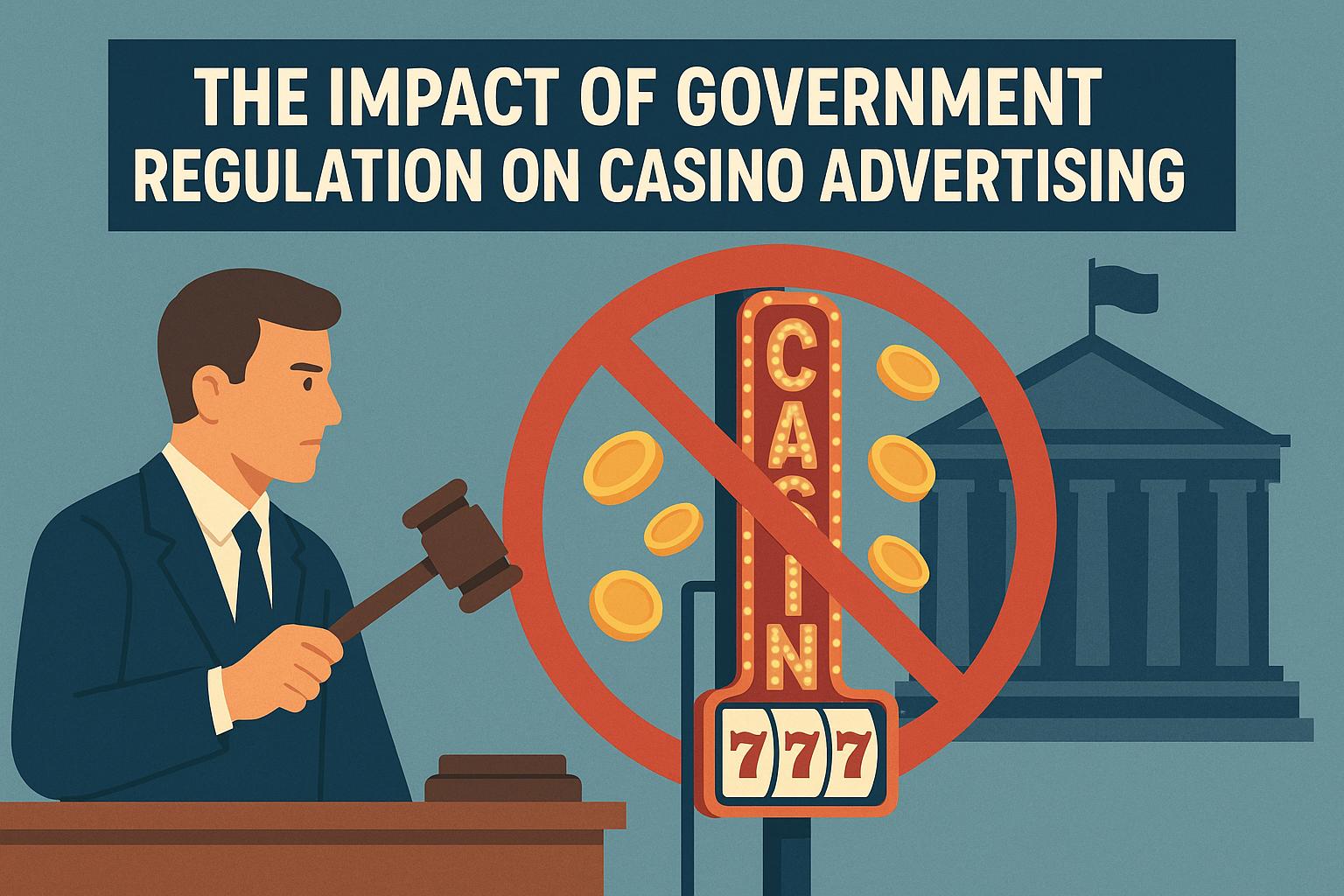
Overview of Government Regulation on Casino Advertising
Casino advertising, a vital part of the gaming industry’s broader marketing strategy, is subject to various forms of government regulation across the globe. These regulations are formulated with the primary objective of ensuring that advertising practices adhere to ethical standards. They aim to prevent misleading information, promote responsible gambling, and safeguard vulnerable segments of the population. Such measures undertaken by governments are pivotal in determining how casinos can effectively market their services and products to potential customers.
The Need for Regulation
The gambling industry has an inherent potential to foster addictive behaviors that can result in serious social and financial repercussions. The allure of quick gains and excitement might lead individuals to develop unhealthy gambling attachments, potentially impacting their personal lives and the community adversely. To mitigate these risks, it is necessary for governments to implement rigorous advertising regulations as part of a comprehensive strategy to manage the impact of gambling on public health.
These regulatory frameworks restrict how gambling products are advertised, with an emphasis on minimizing harm. By restricting promotional strategies, the authorities aim not only to control the possible negative influence of gambling but also to promote transparency and accountability within the industry. Advertisers must operate within established boundaries while ensuring their marketing strategies are aligned with legal and moral expectations.
Types of Regulations
Globally, regulatory bodies have adopted a variety of measures tailored to address the challenges posed by casino advertising. These measures can be categorized into several key areas:
- Content Restrictions: One of the primary focuses of regulation concerns the content of advertisements. Regulators often prohibit the depiction of scenarios that might be especially appealing to minors or that exaggerate winning possibilities. This ensures advertisements do not exploit naive consumer sentiments or create unrealistic expectations about gambling outcomes.
- Time and Medium Restrictions: Another crucial aspect of regulation involves controlling the timing and medium of such advertisements. To protect susceptible groups from exposure to gambling content, authorities often limit these advertisements’ outreach. For instance, numerous countries enforce restrictions on the broadcasting of gambling ads during certain daytime television programs or in public spaces frequently accessed by minors.
- Disclosure Requirements: Regulations mandate transparency, requiring advertisers to communicate important information regarding gambling risks. It is often compulsory to include messages promoting responsible gambling and to provide data about odds and expected payouts, thereby empowering consumers to make informed choices.
Impact on the Casino Industry
These regulatory actions have a substantial influence on how casinos plan and deploy their marketing campaigns. Complying with advertising regulations can seriously limit the reach and creativity possible in casino advertisements. This compels casinos to develop innovative marketing strategies that comply with legal frameworks while maximizing customer engagement and brand reach. Non-compliance can result in severe penalties, including hefty fines and potential damage to the brand’s reputation.
Adaptation Strategies
In light of strict advertising regulations, casinos have been driven to develop new marketing innovation strategies. The rise of digital marketing has presented casinos with opportunities to reach their target audience more precisely. By utilizing search engine advertisements and social media platforms, casinos can create targeted campaigns that resonate with specific demographics while maintaining compliance with regulatory requirements. This shift also brings about an additional layer of transparency and interactivity, allowing better engagement with audiences.
Balance between Regulation and Growth
An ongoing concern for both regulatory bodies and the casino industry is achieving a balance between stringent regulation and allowing room for healthy industry growth. Excessive regulation can suppress innovation and limit market entry opportunities for new businesses. Conversely, lax regulation can yield public health issues stemming from problematic levels of gambling. Hence, the challenge for regulatory authorities is to establish a framework that effectively protects consumers without stifling the industry’s potential for growth and innovation.
Conclusion
To conclude, government regulation of casino advertising is an essential tool that supports efforts to promote responsible gambling while safeguarding the interests of vulnerable populations. These regulations, though sometimes challenging for the casino industry, motivate the industry to adapt and embrace new, innovative marketing practices. By aligning advertising efforts with regulatory requirements, casinos can continue to thrive and contribute positively to the economy. For those seeking more detailed insights into global casino advertising standards, it is advisable to consult the official guidelines issued by local gambling authorities, which can be accessed on respective government websites.
This article was last updated on: January 25, 2026