
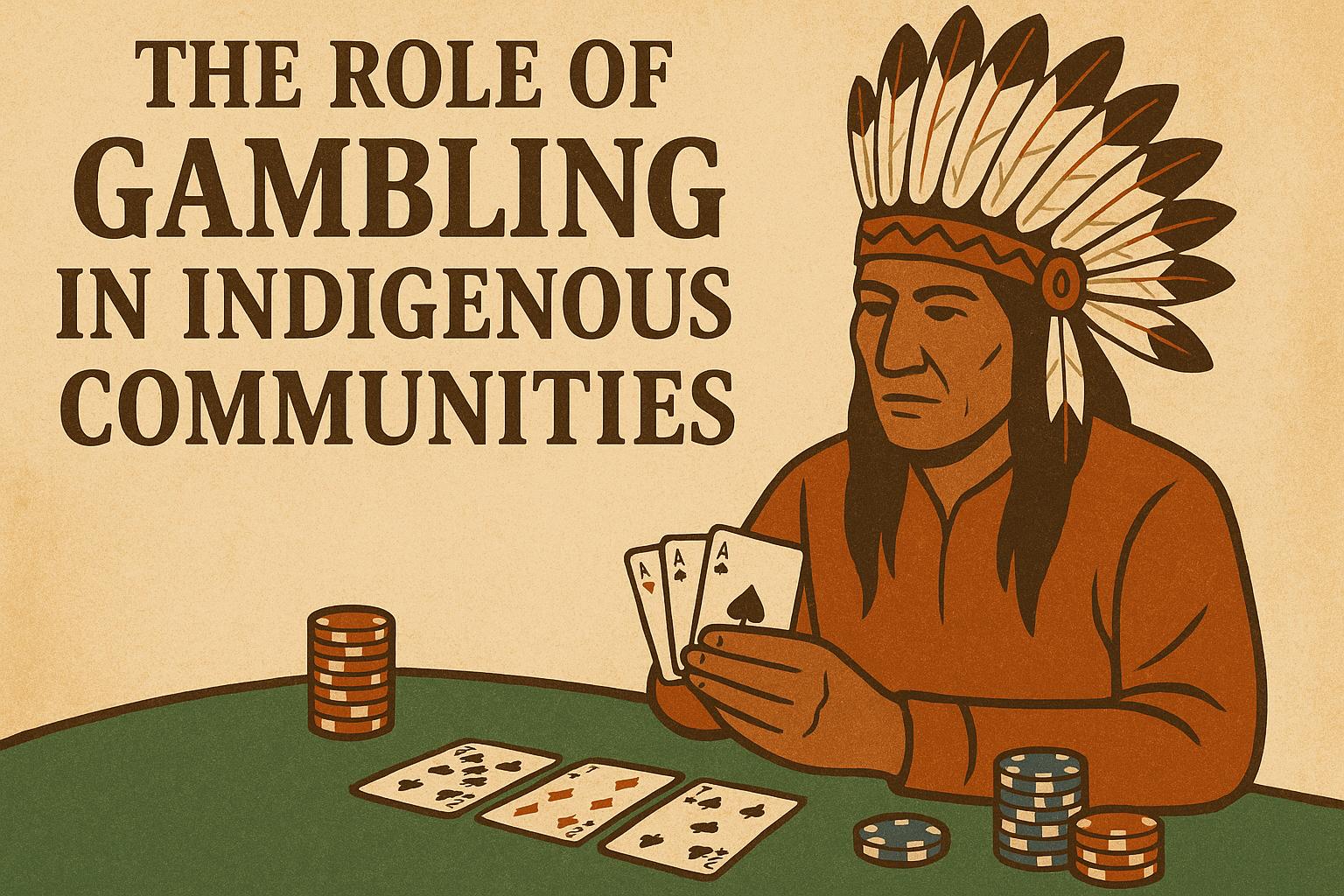
The Historical Context of Gambling in Indigenous Communities
The relationship between gambling and Indigenous communities is deeply rooted in history and has evolved significantly over time. In many Indigenous cultures, forms of gambling and gaming were present long before European contact. These activities often held cultural, social, and spiritual significance, forming part of ceremonial traditions and community events. Games of chance were sometimes used as a means of redistributing wealth and resources within the community, reflecting a balanced approach to resource management.
The Evolution of Gambling Influence
The introduction of commercial gambling operations within Indigenous territories marks a significant shift in the role gambling plays in these communities. Traditional forms of betting have expanded with the establishment of casinos and other gambling venues on Indigenous lands. This transition has been facilitated by legal frameworks such as the Indian Gaming Regulatory Act in the United States, which recognizes the sovereign rights of Indigenous tribes to operate and regulate gaming activities.
Economic Impact and Opportunities
One of the most notable impacts of gambling enterprises in Indigenous communities is the economic benefit. Revenues generated from gaming operations often contribute significantly to community development, providing funding for essential services such as healthcare, education, and infrastructure. These funds can enhance the quality of life for community members and reduce reliance on external governmental support.
Some tribes have been able to use revenues from gambling to advance economic diversification, investing in non-gambling ventures that offer new employment opportunities. This aspect is crucial for sustainable economic development, as it provides a buffer against the volatility often associated with the gambling industry.
Challenges and Concerns
Despite the economic benefits, there are challenges associated with gambling in Indigenous communities. One major concern is the potential for problem gambling and its associated social issues, such as addiction and financial hardship. Indigenous communities must implement and maintain adequate support systems and educational programs to mitigate these risks.
Additionally, there can be internal community divisions concerning the reliance on gambling as a primary economic driver. This reliance can fuel debates about the long-term implications for cultural traditions and the preservation of Indigenous identity.
Social and Cultural Considerations
The social and cultural impacts of gambling on Indigenous communities are complex and multifaceted. While gaming can provide funds for cultural preservation initiatives, including language revitalization and cultural center development, it can also create tension between traditional values and modern economic practices. Balancing the need for economic growth with the desire to maintain cultural integrity is a continuing challenge.
For more information on the role of gambling in Indigenous communities, readers can explore resources provided by organizations supporting Indigenous economic development and cultural preservation. Click here to explore more.
To further elaborate, the historical context of gambling in Indigenous communities is intricately tied to their cultural evolution. Before European colonization, various Indigenous tribes engaged in gambling games that were integral to their societal reciprocity and community decision-making processes. The games often included the distribution of goods won in gambling, promoting a cyclical movement of wealth that ensured sustenance for the community as a whole. This form of economic activity underscored the value placed on shared success and collective well-being.
Though modern gambling has deviated from these traditional roots, the legacy of those early practices can still be seen in how contemporary Indigenous gaming enterprises function. Many casinos and gaming organizations on Indigenous lands pride themselves on contributing to the communal good, be it through subsidizing community healthcare or funding educational scholarships. The potential for transformative economic upliftment cannot be understated, especially for communities that have historically faced marginalization and limited access to resources.
However, the economic impact of gambling cannot be viewed in isolation from the broader implications on social frameworks and cultural significance. The intersection of economic profitability with cultural wellness requires careful navigation. Critics often argue that the commercialized forms of gambling introduced today carry with them the risk of eclipsing traditional cultural practices. In other cases, gaming operations can be seen as a new form of cultural expression, one that melds historical practices with current realities in a way conducive to modern needs.
The issue of problem gambling is particularly poignant given the intimate community structure common in many Indigenous groups. Personal financial struggles resulting from gambling addiction can have a magnifying effect across the community. Consequently, there is an expressed need for robust mental health and financial counseling services that are culturally sensitive and locally accessible. Initiatives aiming at educating the community about the risks associated with gambling, and offering support to those affected, play a crucial role in counterbalancing these challenges.
Moreover, the internal discourse within Indigenous communities on the pros and cons of gaming ventures forms an essential consideration for future development. Decisions on whether to pursue or expand gaming operations often require collective agreement, rooted in a consensus-building approach that respects traditional governance systems and the voices of community elders. Ensuring that all community segments, especially those advocating for cultural preservation and continuity, are included in such discussions is vital for maintaining social cohesion.
The delicate equilibrium between honoring traditional customs and achieving economic viability through modern means highlights the need for continuous dialogue. Indigenous communities, with their rich cultural heritage and historical resilience, are uniquely positioned to adapt to and define what successful community-centric gambling enterprises look like. Such endeavors potentially serve as models for sustainable development by illustrating ways to blend economic strategies with cultural respect and ethical governance principles.
Ultimately, exploring the historical and contemporary narratives surrounding gambling in Indigenous communities provides us with a critical lens through which to understand the broader socio-economic transformations occurring today. As these communities continue to navigate the dual imperatives of economic growth and cultural preservation, new paradigms of cooperative development and cultural synergy are emerging, offering insights and lessons that transcend Indigenous societies and inform global practices.
For those looking to delve deeper into this topic, various research initiatives and cultural studies institutions offer insights and analyses. Interested individuals can reach out to organizations that specialize in Indigenous studies, economic empowerment, and cultural preservation. Click here for additional resources and readings on the evolving landscape of Indigenous gaming. Engaging with these resources not only enhances understanding but fosters a more informed and inclusive societal discourse around the roles and impacts of gambling within Indigenous communities.
This article was last updated on: November 20, 2025