
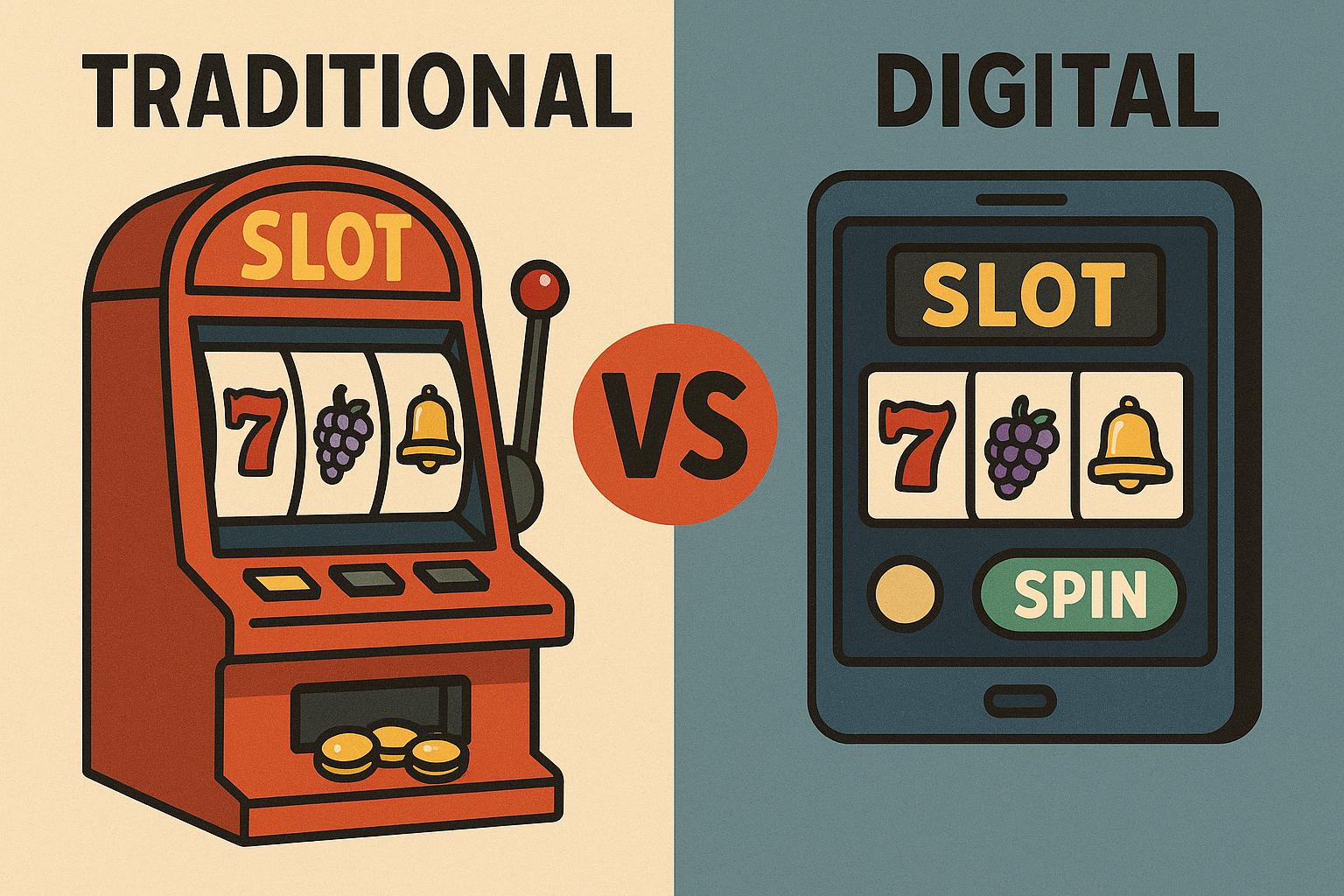
Understanding Traditional and Digital Slots
Slot machines have been a staple of the gambling world for decades, evolving from simple mechanical devices into sophisticated digital platforms. This transformation has drastically changed how players interact with these machines. In this exploration, we will delve into the key differences between traditional and digital slots.
Mechanical Mechanisms vs. Digital Randomness
Traditional slot machines, often referred to as mechanical or reel slots, operate through physical levers and gears. These machines, such as the iconic “one-armed bandit,” utilize a set of reels that physically spin when the lever is pulled. Their operation is purely mechanical, relying on tangible components to produce outcomes. When a player activates a traditional slot machine, they engage a series of gears and levers that turn the reels in motion. The position at which these reels stop is determined by the physical action of the player and the mechanism within the machine. While entertaining and thrilling, these mechanical systems have limitations in terms of game complexity and variety.
In contrast, digital slots use electronic software to generate results. These games employ random number generators (RNGs) to ensure outcomes are completely unpredictable and fair. At the core of digital slot machines is the RNG algorithm that constantly generates random sequences, influencing the symbols appearing on the screen when the game is played. The switch from mechanical to digital has allowed for more complex game designs and themes. The electronic nature of these slots removes the need for physical moving components, paving the way for virtual reel spins with a broader range of outcomes.
Visual and Audio Experience
Traditionally, slot machines featured basic symbols and limited audio effects. The gaming experience relied heavily on the sound of the spinning reels and the mechanical clicks of the machinery. Visual appeal was limited to the artwork printed on the reels and the physical design of the machine. Simple bells and whistles were often all the auditory embellishments these machines employed, creating a rustic yet charming environment for players. The primary focus was on the tangible experience of pulling a lever and watching the reels spin.
Modern digital slots harness advanced graphics and immersive soundscapes to enhance player engagement. These games offer a variety of themes, ranging from ancient civilizations to popular movies. Developers can utilize high-definition graphics, 3D animations, and interactive soundtracks to create an absorbing atmosphere, enhancing the depth of the player experience. The inclusion of animations and digital soundtracks draws players into a virtual world, far beyond the static images offered by traditional machines. Digital platforms allow players to escape into their chosen theme, whether that be a jungle adventure, a treasure hunt, or even a trip to space.
User Interaction and Accessibility
One of the notable differences between traditional and digital slots is the nature of user interaction. Mechanical slots require the player to physically pull a lever or push buttons, and players are generally limited to the actions available on the machine itself. This form of interaction reflects the tactile and direct engagement that many players find nostalgic, sparking memories of bygone eras of gaming.
Digital slots, available both in casinos and online, offer a much more interactive experience. Players can engage through touchscreens or online interfaces, providing greater flexibility and convenience. Touchscreen technology introduces a new tactile dimension, allowing users to swipe, tap, or double-tap as a form of interaction. Online slots, in particular, revolutionize accessibility, enabling players to enjoy their favorite games from home or on the go. Furthermore, digital slots can be accessed virtually anywhere with internet connectivity, significantly broadening their accessibility compared to the traditional machines found only in physical casinos.
Game Complexity and Features
Traditional slot machines focus on straightforward gameplay, where winning combinations are usually determined by uniformly lined symbols across a small number of reels and paylines. Features are relatively basic and typically consist of simple payout structures. The predictability of these games often appeals to players who appreciate a more straightforward and less overwhelming gaming experience.
In contrast, digital slots boast a plethora of features, including bonus rounds, free spins, and multiple paylines. The ability to offer nuanced gameplay dynamics like cascading reels, expanding wilds, and interactive mini-games adds layers of complexity and engagement. Complex strategies and skills can be explored, providing more depth and entertainment for the player. Digital technology allows for endless creativity in game design, catering to a wide range of player preferences. Developers are empowered to continuously innovate and introduce new twists that keep players intrigued and eager to explore.
Progressive Jackpots and Network Connections
Another crucial difference is the introduction of progressive jackpots in digital slots. These jackpots increase as more players participate, often connecting multiple games, whether online or across a network of machines. A player’s contribution to the jackpot can dramatically enhance the prize for the next winner, creating a shared community of enthusiasts vying for a potentially life-changing reward. This connectivity is made possible through digital infrastructure, offering the chance for life-changing winnings that traditional machines rarely provide. The thrill of chasing a progressive jackpot adds an exhilarating dimension to digital slots, attracting players who dream of scoring big wins.
Conclusion
The transition from traditional to digital slots has significantly impacted the gaming industry, offering players enhanced experiences through improved accessibility, diverse gameplay, and innovative features. With each innovation, the gap between traditional and digital slots widens, bringing both nostalgic charm and cutting-edge excitement into the fold. Although mechanical slots retain a nostalgic allure, attracting players with a fondness for the simpler times, the digital format has undeniably expanded the horizons of slot gaming. Catering to a modern audience seeking more variety and excitement in their play, digital slots exemplify the future of gaming innovations. The intricate blend of cutting-edge technology and creative design promises to keep evolving and expanding, ensuring that slot games remain dynamic and popular forms of entertainment.
This article was last updated on: July 12, 2026