
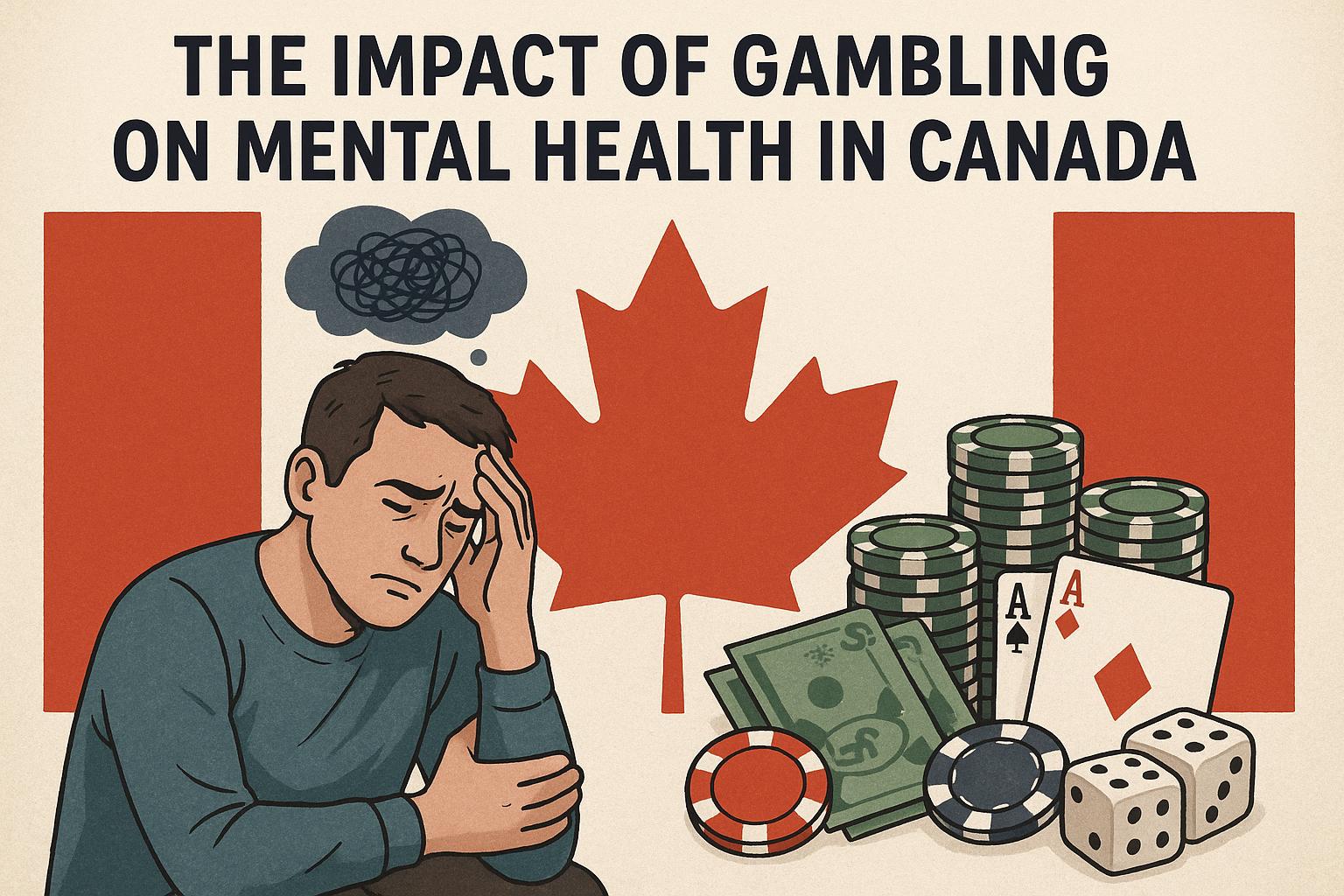
The Impact of Gambling on Mental Health in Canada
Gambling remains a popular and well-established activity across Canada. With a wealth of options ranging from bustling casinos to sports betting platforms and various lottery games, it offers entertainment to many Canadians. Nonetheless, it is imperative to acknowledge that gambling, though enjoyable for some, carries inherent mental health risks, particularly when the behavior escalates into compulsiveness.
Understanding Problem Gambling
Problem gambling is characterized as a gambling behavior that significantly disrupts essential life areas, including personal relationships, family dynamics, and work responsibilities. It is essential to recognize that problem gambling does not discriminate; it affects individuals across different ages, genders, and socioeconomic statuses. Key indicators of problem gambling include a persistent focus on the activity, an increasing need to gamble with larger sums of money to achieve the desired excitement, and the continuation of gambling activities despite negative repercussions.
Mental Health Consequences
The mental health outcomes associated with problem gambling can be extensive and severe. Individuals facing gambling addiction frequently encounter heightened levels of anxiety and depression, with some enduring suicidal ideations. The financial hardships inflicted by unchecked gambling habits further amplify stress, thus beginning a vicious cycle of emotional turmoil intertwined with compulsive gambling.
Anxiety and Depression
Individuals compelled to gamble often report that the activity provides a temporary sense of relief or escape, initially masking underlying symptoms of anxiety and depression. However, as the individual’s gambling habits become problematic, these emotional issues tend to intensify. Research indicates a noticeably higher prevalence of depression among those affected by gambling issues compared to the general populace. This correlation underlines the significant impact problem gambling can have on an individual’s mental health.
Social Isolation
Social isolation is another prevalent mental health concern linked with problem gambling. As gambling becomes a focal point in one’s life, it often takes precedence over personal relationships. Individuals may retreat from social connections, attempting to hide their gambling habits, thereby worsening feelings of loneliness and enhancing depressive symptoms.
Addressing the Issue
Various strategies have been deployed in Canada to combat the adverse mental health impacts of gambling. These initiatives encompass educational campaigns, support groups, and targeted therapeutic interventions. Organizations such as the Centre for Problem Gambling and Digital Dependency play a vital role by offering resources to individuals and families grappling with gambling addiction. Moreover, helplines and counseling services provide immediate support, offering guidance to those in need.
In addition, responsible gambling frameworks have been put in place to reduce the risk of gambling-related harms. These measures include self-exclusion programs, which allow individuals to voluntarily ban themselves from gambling venues, set betting limits, and public health initiatives that prioritize raising awareness about the potential dangers of excessive gambling.
Research and Continued Initiatives
Continued research into the impacts of gambling on mental health is crucial for developing effective interventions. Studies evaluating the psychological effects of gambling addiction contribute to a deeper understanding of the issue, aiding in the formulation of policies and strategies aimed at harm reduction. Policymakers, healthcare providers, and gambling institutions need to collaborate in crafting evidence-based approaches that can effectively mitigate the risks associated with gambling-related mental health issues.
Therapeutic Support
Access to therapeutic support is an integral part of addressing problem gambling. Cognitive-behavioral therapy (CBT) and other forms of counseling are increasingly utilized to help individuals modify harmful gambling behaviors. Therapy aims to uncover the root causes of the addiction, assisting individuals in developing healthier coping mechanisms and fostering positive lifestyle changes. Additionally, group therapy sessions provide peer support, fostering a community for individuals seeking to overcome gambling addiction.
Community and Family Involvement
Community and family involvement plays a significant role in supporting those affected by gambling addiction. Families, when informed and engaged, can provide a robust support system that encourages individuals to seek help and adhere to recovery plans. Community-based initiatives, including workshops and awareness programs, further educate the public about the signs and consequences of problem gambling while promoting healthy social practices that can deter the onset of addictive behaviors.
Preventive Measures and Public Awareness
Preemptive measures such as public awareness campaigns help in educating individuals about the potential pitfalls of gambling. By disseminating information on the realities of gambling addiction and its impact on mental health, these campaigns aim to reduce stigma and encourage individuals to seek help early. Comprehensive public health strategies should incorporate educational materials tailored to diverse audiences, encompassing schools, workplaces, and community centers, to reach a broad spectrum of society.
Conclusion
Gambling, while deeply rooted in Canadian leisure culture, presents potential mental health challenges that need to be addressed proactively. Understanding the symptoms of problem gambling and engaging with available resources can help individuals safeguard their mental well-being. Ongoing research and concerted intervention efforts are crucial to tackling the intricate relationship between gambling and mental health effectively.
In summary, strategies that combine therapeutic support, community involvement, and preventive education form the backbone of efforts to curtail the adverse mental health effects associated with gambling. It is through these collaborative measures that society can strive to reduce the incidence of gambling addiction and its consequential mental health issues.
This article was last updated on: August 10, 2026