
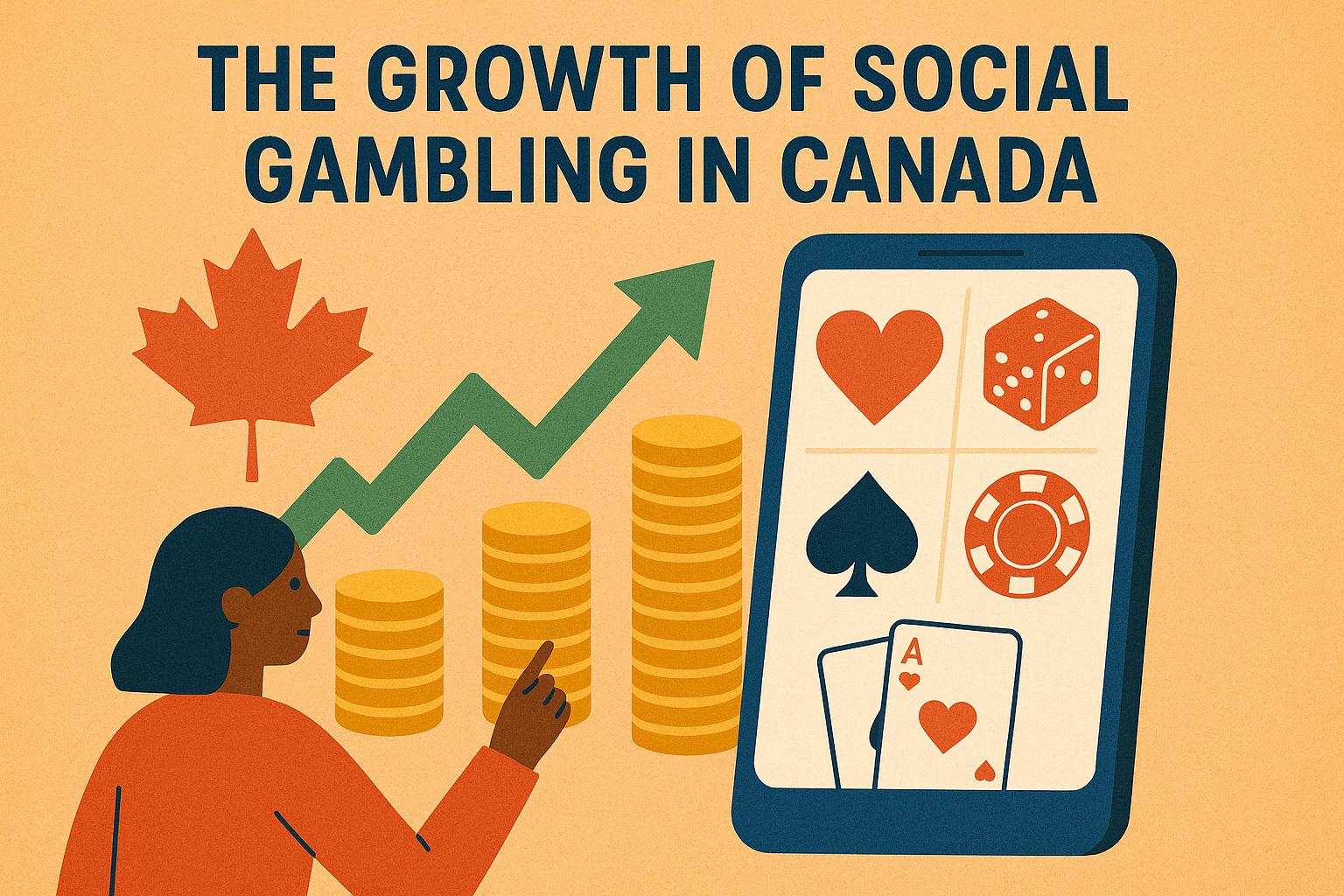
The Rise of Social Gambling in Canada
Over recent years, social gambling has witnessed significant growth in Canada, captivating a diverse audience from different age groups. This surge can be attributed to a combination of technological advancements, changing consumer preferences, and a broader acceptance of digital gaming platforms.
Understanding Social Gambling
Social gambling refers to a form of online gaming where players engage in casino-style games such as poker, blackjack, and slots for virtual rewards rather than real money. While it doesn’t involve financial gambling risks, the excitement and engagement remain high. These platforms often operate on a freemium model where players can make in-game purchases to enhance their experience.
Technological Advancements Driving Growth
The proliferation of smartphones and improved internet connectivity across Canada has facilitated the spread of social gambling apps. Coupled with the integration of social media networks, players now enjoy a more interactive and shared gaming experience. Many platforms are designed to be mobile-friendly, allowing users to play anytime and anywhere.
Innovation in technology is at the core of the burgeoning social gambling sector. The advancement in graphics and processing power of mobile devices has enabled developers to create increasingly complex and visually appealing games that appeal to a wide audience. The deployment of 5G technology further contributes by offering faster download speeds and reduced latency, providing a seamless gaming environment. Moreover, the strategic incorporation of social features such as chat functions, leaderboards, and online communities enhances user interaction, fostering a sense of community among players.
Changing Consumer Preferences
With the increasing digitalization of entertainment, consumers find the flexibility and accessibility of social gambling appealing. The non-financial nature of these platforms attracts individuals who enjoy casual gaming and social interaction without the high stakes of real-money gambling. Moreover, these games often incorporate social elements, like competing with friends, sharing achievements, and participating in tournaments.
There is a noticeable shift in how entertainment is consumed, driven by convenience and instant access. Social gambling caters to this shift by providing entertainment that is both accessible and engaging. The rise of casual gaming has made it possible for individuals who might not traditionally engage in gambling to join in the fun. The integration of social features allows for collaborative and competitive experiences, intensifying the enjoyment of these games. It also serves as a bonding activity, where friends and family can engage in friendly competition, irrespective of geographical boundaries.
Legislative Environment
While traditional gambling is heavily regulated in Canada, social gambling occupies a unique space. Since it doesn’t involve real-money transactions, it remains largely unregulated. Nonetheless, potential players should remain aware of the terms and conditions set by individual platforms to understand how their data may be used or shared.
Despite the lack of stringent regulation, there is an ongoing conversation about the need to establish guidelines that govern social gambling platforms, especially concerning user privacy and data protection. Considering the global nature of many gaming companies, Canadian users must navigate an environment where different jurisdictions may result in varying levels of regulatory oversight. This unique positioning raises questions about consumer protection and platform accountability, pushing for a dialogue on what ethical standards should apply.
The Role of Developers and Marketers
Developers have been pivotal in the expansion of social gambling by creating engaging and immersive games that appeal to a wide audience. Dynamic graphics, diverse gameplay options, and continuous updates keep players engaged. Marketers, on the other hand, extensively use targeted advertising and partnerships with influencers to reach potential players effectively.
In the competitive landscape of social gambling, the roles of developers and marketers are critical. Developers focus on creating a compelling user experience by leveraging the latest technologies to craft games that are not only visually stunning but also rich in features. This includes the development of Artificial Intelligence (AI) algorithms that tailor the gaming experience to individual players, enhancing engagement and prolonging playtime.
Marketers play an essential role by understanding and targeting the audience that is most likely to engage with social gambling platforms. Utilizing data analytics, marketers are able to identify potential user bases and create campaigns that resonate with them. Collaborations with social media influencers have proven particularly effective in reaching younger audiences, leveraging the trust and community bonds that influencers have cultivated with their followers.
Conclusion
As social gambling continues to grow in Canada, it presents an exciting, albeit complex, landscape of opportunities and challenges. While it offers entertainment and social interaction for players, it also calls for ongoing discussions about data privacy and the psychological aspects of gaming. For more information on responsible gaming in Canada, visit this link.
The evolution of social gambling in Canada reflects broader trends in technology and user behavior, presenting both opportunities for growth and challenges related to regulation and ethical considerations. As the sector continues to expand, stakeholders, including developers, marketers, regulators, and players, must collaborate to ensure that the gaming experience remains safe, enjoyable, and respectful of personal privacy. Initiatives to educate players on responsible gaming practices will be crucial as this exciting digital frontier unfolds, ensuring that enjoyment does not compromise wellbeing.
This article was last updated on: May 18, 2026